

When your air conditioner stops cooling during the summer, discomfort can set in quickly. Homeowners often wonder whether the issue is a simple fix or the beginning of a costly repair. If your AC is running but not delivering cold air, several common problems could be the cause. Understanding the source of the issue can help you determine whether a quick troubleshooting step will solve it or if it’s time to call a professional. Here’s what you need to know about why your AC isn’t cooling and what you should do next.
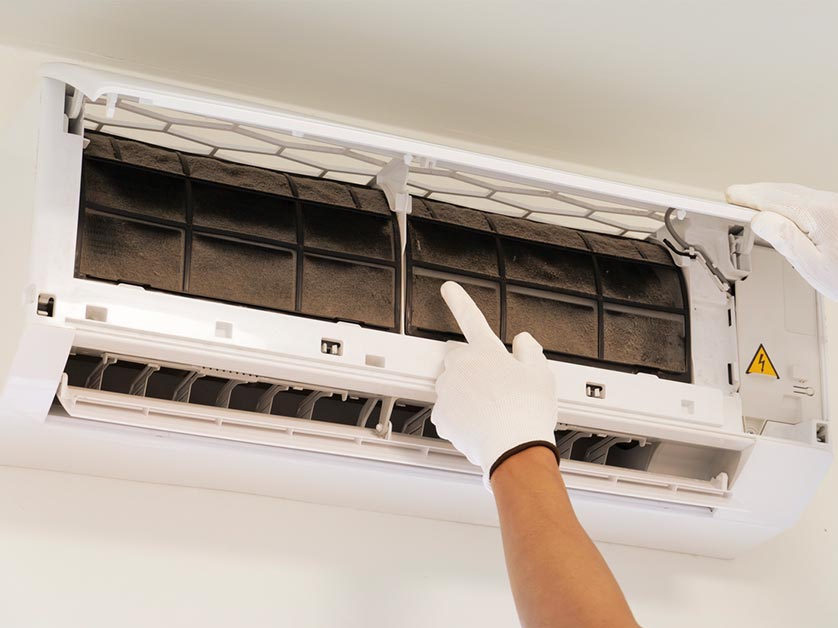
Check Your Air Filter First
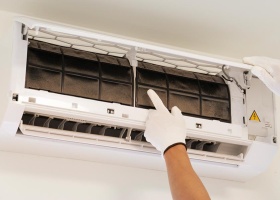
One of the most common and frequently overlooked reasons an AC system stops cooling is a dirty or clogged air filter. As dust and debris accumulate, airflow becomes restricted, reducing efficiency and potentially causing more serious issues, such as frozen evaporator coils. During periods of heavy AC use, it’s important to inspect your air filter every one to three months. If the filter appears gray, dirty, or clogged, replace it to restore proper airflow. Routine filter changes can prevent unnecessary wear on your system and help you avoid expensive repairs.
Thermostat Troubles and Incorrect Settings
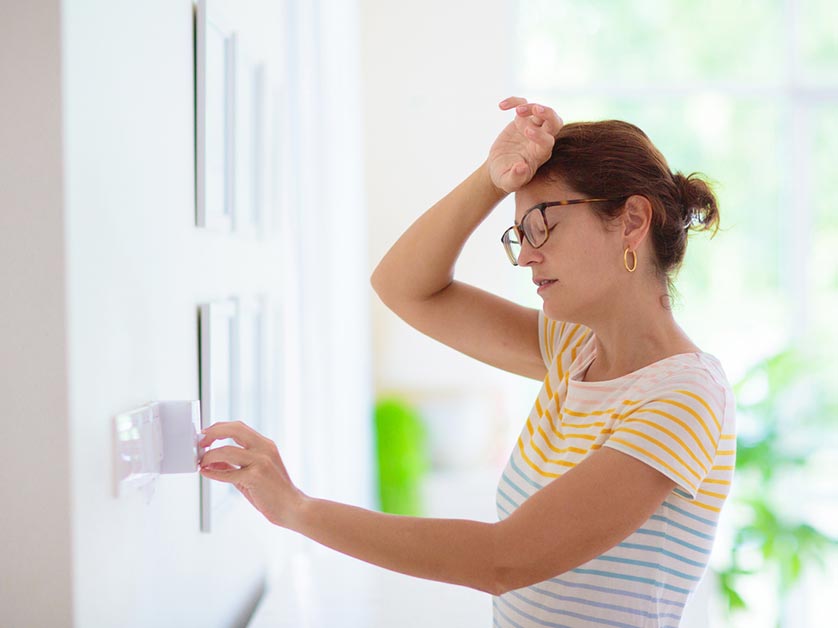
Before assuming the worst, check your thermostat settings. Make sure the thermostat is set to “Cool” and that the temperature is lower than the current room temperature. Also, verify that the fan is set to “Auto” instead of “On.” When the fan is set to “On,” it may continue circulating air even when the cooling cycle has stopped, causing the air coming from the vents to feel warm. If your thermostat display is blank, replacing the batteries may resolve the issue. Smart thermostats can also help improve comfort by providing more accurate temperature control and programmable scheduling.
Dirty Evaporator or Condenser Coils
Dirty coils are another common reason an air conditioner struggles to cool your home. The Carrier evaporator coil absorbs heat from your indoor air, but dust and debris can reduce its efficiency or even cause it to freeze. The outdoor condenser coil also needs to remain clean and free from leaves, dirt, and other debris. Keep at least two feet of clearance around your outdoor unit and gently rinse the condenser coil when necessary. If you notice ice forming on either coil or suspect a more serious issue, schedule professional HVAC maintenance.
Refrigerant Leaks and Low Refrigerant Levels
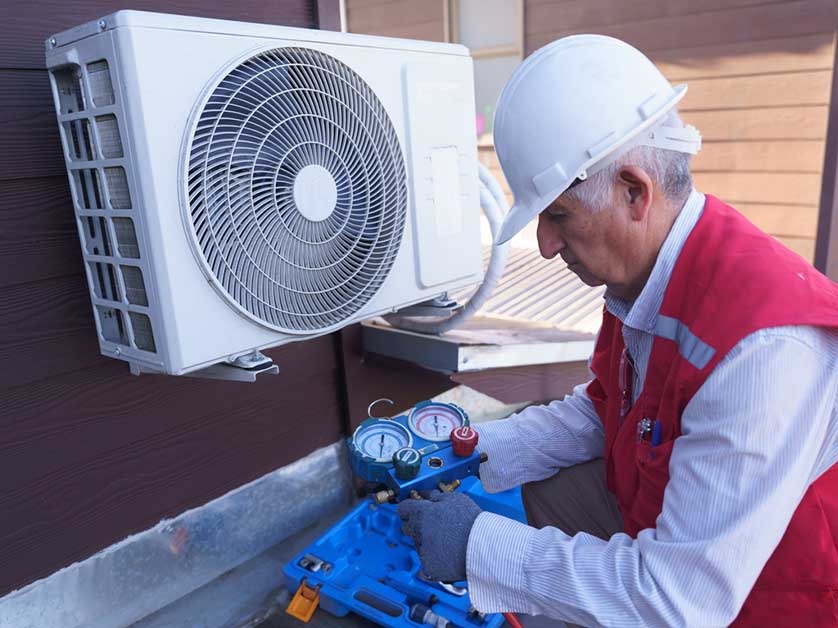
Low refrigerant levels are often the result of a leak. Unlike fuel, refrigerant is not consumed during normal operation. If levels are low, your system likely has a leak that requires professional repair. Low refrigerant prevents your air conditioner from cooling effectively and can eventually damage critical system components. A licensed HVAC technician should always repair the leak before recharging the system to ensure safe and reliable operation.
Airflow and Ductwork Issues
Sometimes the problem isn’t with the air conditioner itself but with the ductwork that distributes cooled air throughout your home. Leaking or blocked ducts can prevent conditioned air from reaching your living spaces efficiently. If you’re considering a more flexible cooling solution, many homeowners explore ductless systems. Reading ductless air conditioner reviews and working with experienced ductless air conditioner installers can help you determine whether a ductless system is the right fit for your home’s cooling needs.
Electrical Problems or Component Failures
Electrical issues can also prevent your AC from operating properly. A tripped circuit breaker, failed capacitor, faulty contactor, or malfunctioning fan motor may cause the system to stop cooling or prevent it from starting altogether. If your air conditioner suddenly shuts off or refuses to operate, check your electrical panel first. Persistent electrical issues should always be diagnosed by a qualified HVAC professional to prevent additional damage and ensure safe operation.
When to Call the Professionals
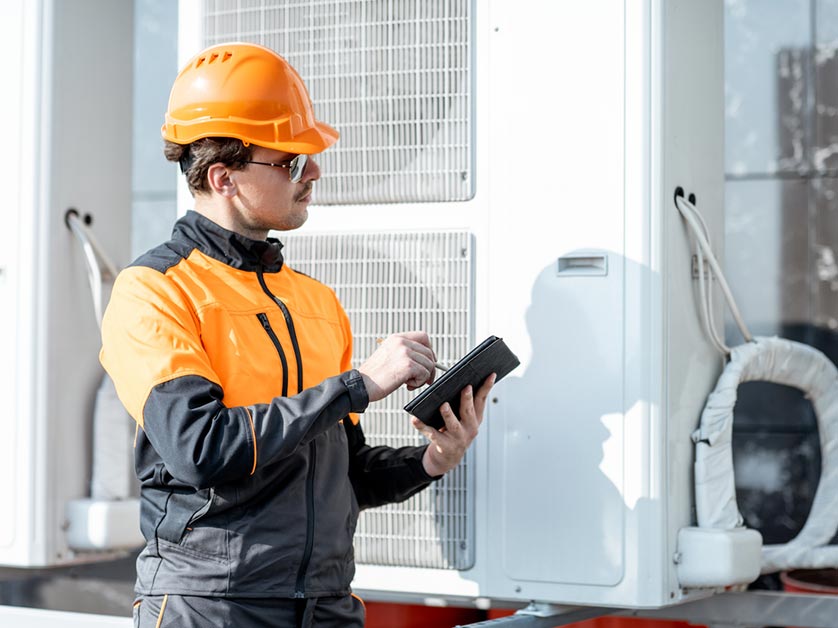
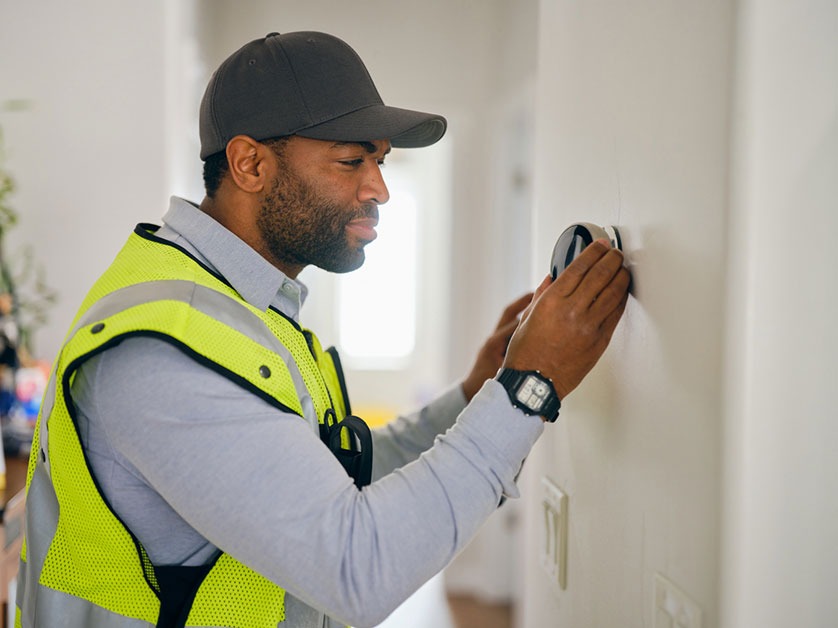
If you’ve checked your air filter and thermostat but your air conditioner still isn’t cooling properly, it’s time to schedule professional service. Routine AC maintenance and timely repairs help extend the life of your system, improve energy efficiency, and reduce the likelihood of unexpected breakdowns during the hottest months of the year.
Schedule Professional AC Service in Fullerton, CA
If your AC isn’t cooling effectively or you suspect a problem beyond a dirty filter or incorrect thermostat setting, trust Albert Air Inc. for expert service. Our experienced technicians diagnose and repair everything from Carrier evaporator coil issues to ductless mini-split systems. Whether you’re searching for “ductless air conditioner installers near me,” comparing ductless air conditioner reviews, or considering an upgrade to a high-efficiency Carrier system, Albert Air Inc. has the expertise to help. As a trusted Carrier dealer in Fullerton, CA, we proudly install and service advanced Carrier air conditioning systems that deliver exceptional comfort, energy efficiency, and long-term reliability. Give us a call today at (714) 526-6368 or fill out our contact form to schedule your AC repair or maintenance appointment and keep your home comfortable all summer long.