

Managing comfort and efficiency in commercial spaces is essential for business operations. Commercial HVAC control systems are the backbone of indoor environmental management, coordinating everything from basic heating and cooling to advanced, energy-saving automation. Whether you are planning a new construction project, expanding a facility, or retrofitting an older building, understanding the range of modern control systems, from basic thermostats to complex building automation, is crucial for facility managers and business owners.
Understanding Commercial HVAC Controls: The Essentials
At the heart of every commercial HVAC setup are control systems that act as the “brain” of the operation. These systems collect data from sensors, such as temperature, humidity, airflow, and occupancy, and send that information to controllers, which then command equipment such as compressors, fans, and specialty components like Carrier evaporator coils. This interconnected process helps the system maintain efficient performance while adapting to occupancy levels, weather conditions, and operational schedules.
Typical commercial HVAC control systems include:
- Sensors that detect real-time conditions.
- Controllers programmed with setpoints based on desired temperature or indoor air quality.
- Actuators and output devices that make physical adjustments to airflow or cooling delivery.
Proper sensor placement and calibration are especially important because changing temperatures and humidity levels can affect sensor readings if equipment is not installed and maintained correctly.
Control Types: From Simple to Smart
Historically, pneumatic controls, which use compressed air to regulate dampers and valves, were common in large commercial buildings. While some older properties may still use these systems, many have shifted to digital, or Direct Digital Control (DDC), systems. DDC systems use microprocessors and digital communication protocols, such as BACnet or Modbus, to deliver precise adjustments and enable integration with broader building systems.
Modern DDC systems provide many advantages:
- Enhanced energy efficiency through real-time data analysis.
- Remote monitoring and adjustments through cloud-based platforms.
- Seamless integration with lighting, security, and emergency systems.
- Support for newer HVAC technologies, such as ductless air conditioner solutions.
Building Automation and Integration Trends
As commercial buildings become more technologically advanced, Building Management Systems (BMS) are increasingly common. These platforms unify control across HVAC, lighting, security, and other systems, providing a single dashboard for facility managers. For businesses seeking to improve sustainability and reduce operating costs, smart automation can be programmed to optimize performance based on occupancy schedules, weather conditions, or preventive maintenance alerts, helping support the longevity of critical equipment such as Carrier evaporator coil components.
Integration challenges can still occur because some commercial HVAC systems, especially older equipment, may use proprietary communication protocols that require gateways or adapters for compatibility. Careful planning during system upgrades is essential to support smooth interoperability and minimize downtime.
Zoning, Energy Savings, and Flexible Options
Commercial properties can range from compact offices to large facilities with multiple use areas. Zoning is an important control strategy in these varied spaces, dividing areas into independently managed thermal zones with different comfort requirements. For example, a high-occupancy conference room may need more cooling in the afternoon, while adjacent storage areas require minimal conditioning. Sophisticated control systems allow for more precise adjustments, helping improve energy efficiency and occupant comfort.
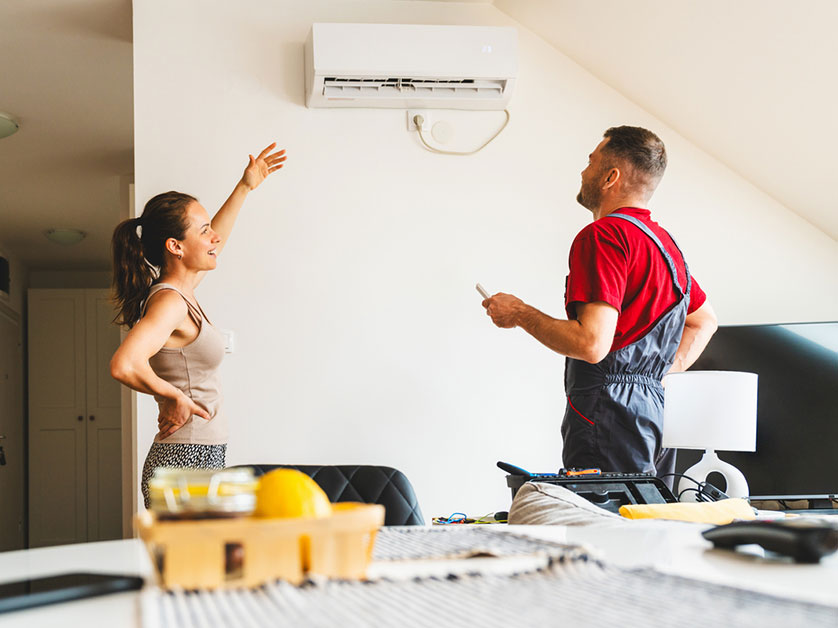
Increasingly, businesses are incorporating flexible solutions such as ductless air conditioner units alongside traditional systems. Choosing qualified ductless air conditioner installers near me can help support efficient installation and tailored mini-zone control in renovated or non-standard spaces.
The Importance of Control System Upgrades and Maintenance
With rapid technological advancement, even digital control systems can become outdated, limiting performance and integration options. Upgrading controls can be completed in phases, beginning with updated user interfaces and backbone controllers, then gradually replacing legacy equipment as budgets allow. As digital solutions advance, newer controls can improve remote access, data analysis, and predictive maintenance capabilities.
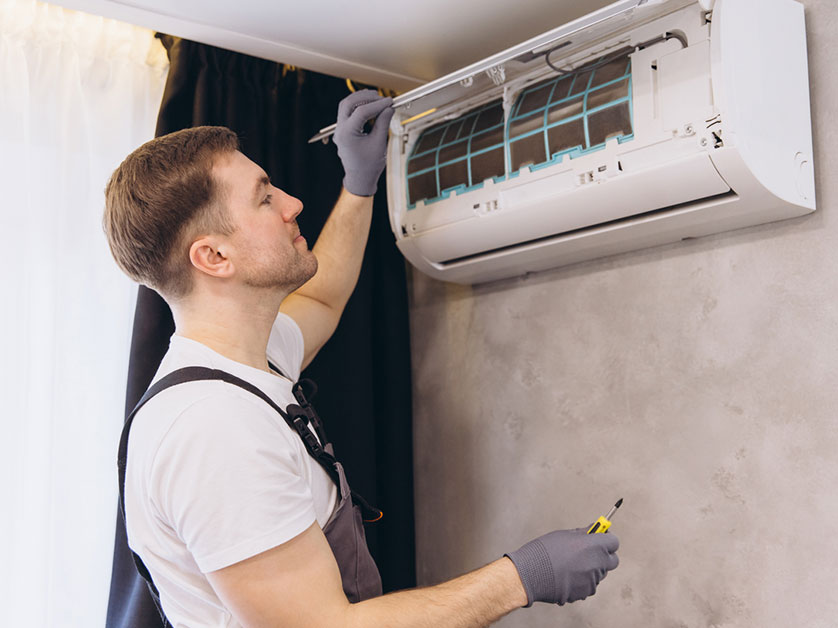
Regular system checks, calibration, and software updates are also essential. Facility teams should schedule routine inspections to help ensure that control components, from sensors to actuators, continue delivering accurate data and reliable operation, especially during periods of increased HVAC demand.
Professional Support for Commercial Controls in Fullerton, CA
If you are considering an upgrade or need guidance on commercial HVAC control options, working with an experienced provider can help you make the right decision. Albert Air Inc. offers installation, integration, and maintenance services for modern HVAC and building automation systems, including ductless air conditioner solutions and Carrier evaporator coil components. If your facility also needs a new system, the team can help you explore dependable Carrier systems that work with your control and zoning needs without overcomplicating the setup. Give us a call today at (714) 526-6368 or fill out our contact form to schedule a commercial HVAC consultation.